Keep up with all of the latest updates and stories coming out in 2026.
Summary
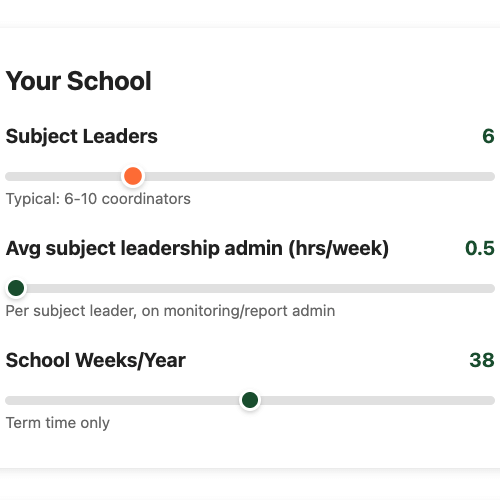
School business managers and SLT often need real numbers before recommending new tools to governors. When we built the Blippit Boards ROI calculator, we wanted honest figures — not marketing claims. A typical primary school with six subject leaders saves around 456 hours a year. Nearly 10 weeks of teacher time returned. Here is how we worked that out, what the numbers cannot capture, and how to make the business case for your school.
Summary
When a report is created in Blippit Boards by a teacher, it is already valuable as a curated collection of real curriculum moments captured by colleagues across the school. The new AI Curriculum Snapshot takes that a step further.The snapshot appears as page two of a report and is generated automatically from the boards included. The AI reads titles, descriptions, and tags to produce a short, clear written overview...

Summary
This post explains how the new Spirituality tag category in Blippit Boards works in harmony with existing subject, SMSC, values and inspection framework tags. Using clear classroom examples from both church and non-faith settings, it shows how schools can capture reflection, meaning, awe and inner development in a way that supports inspection evidence without duplication, added workload or syllabus creep.
Summary
In this post, we've brought together a list of ten highlights for teachers and popped them in a video as well, so that you can see at a glance the areas that we've targeted to make life easier for capturing and sharing moments on boards. The feature at number ten is particularly handy because it tackles the individual. Who wants to hear about it when moments are shared in their subject area or framework, if they're leading something like eco schools or global neighbours.
Summary
We are very pleased to share Blippit Boards Version 3. This is a significant update that builds directly on how schools have already been using Blippit Boards in England and Wales. Version 3 makes it much easier to see what is really happening across your lived curriculum. The focus is simple. Make it quicker to share moments. Make it easier to see the whole picture. Reduce the extra workload around reporting.